

GST on Industrial Tool Purchases: What B2B Buyers Should Know
General information for businesses buying tools, not tax advice for your situation. Rates and rules change by notification, and eligibility depends on your registration and how the goods are used. Confirm anything specific with your GST practitioner or the official GST portal before filing.
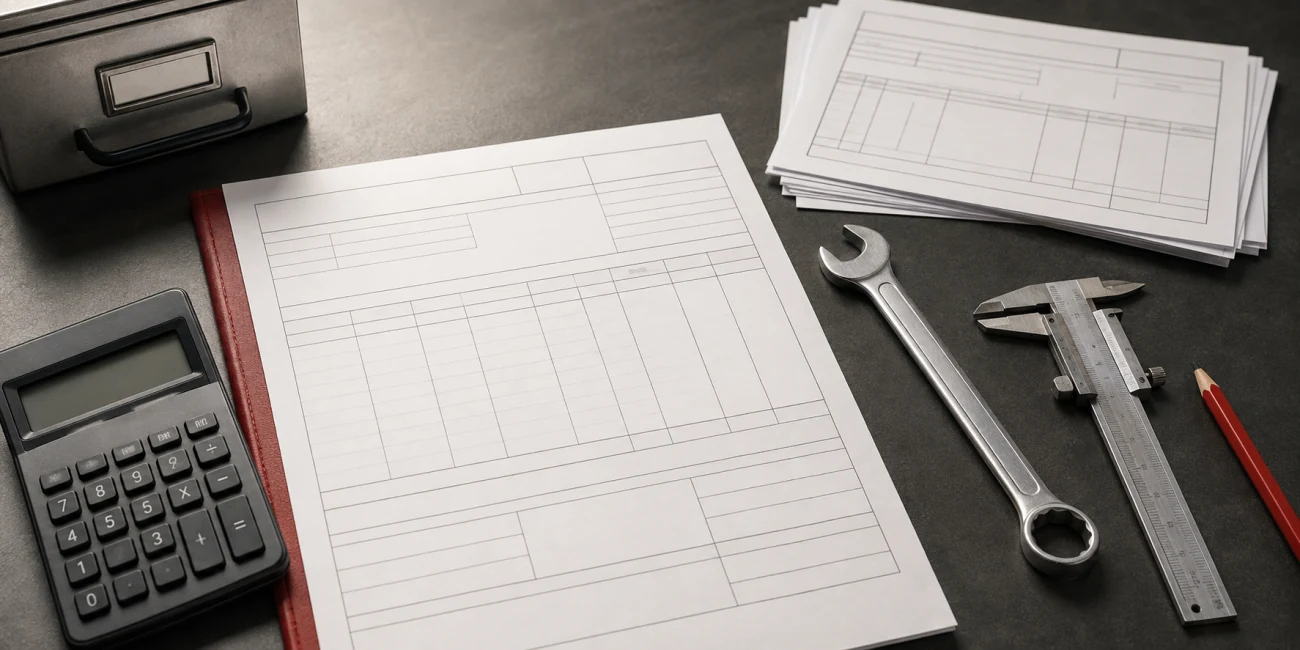
The short version: a correctly issued tax invoice carrying your GSTIN is what lets a registered business claim Input Tax Credit on a tool purchase. A cash memo, or a bill without your GSTIN on it, does not.
What a valid B2B tax invoice must carry
| Field | Why it matters | Common failure |
|---|---|---|
| Seller's GSTIN and registered name | Identifies who collected the tax | Trade name shown instead of the registered legal name |
| Your GSTIN | Without it the invoice is B2C and supports no credit claim | Not supplied at checkout, or a typo — the single most common cause of a rejected claim |
| HSN code per line item | Determines the rate applied | Missing, or a generic code that does not match the goods |
| Tax split — CGST + SGST, or IGST | Depends on whether the supply is within your state or across states | Wrong split when the billing and delivery states differ |
| Invoice number and date | Must match what the seller reports in their returns | Your copy and the filed return disagree |
| Taxable value and tax amount, shown separately | A single inclusive figure is not enough to support a claim | Only the total is printed |
Why there is no single "tool GST rate"
The rate is not one flat number across tools and hardware. It follows the product's HSN classification, and hand tools, power tools, abrasives, fasteners and machinery parts do not all sit in the same place. Rates are also revised from time to time by government notification.
So rather than trusting a rate quoted on any website — including this one — read the HSN code printed on your actual invoice and verify the current rate for that code on the official GST portal. That is the only version that is right on the day you file.
Intra-state or inter-state: which tax applies
| Situation | Tax charged |
|---|---|
| Seller and place of supply in the same state | CGST + SGST |
| Seller and place of supply in different states | IGST |
If you operate in more than one state, check which GSTIN the purchase should be billed to — generally the state where the goods are actually received and used. Getting this wrong is awkward to correct after the invoice is issued.
Checklist before you raise the order
| Do this | Because |
|---|---|
| Enter your GSTIN at checkout, not afterwards | A corrected invoice is more friction than getting it right the first time |
| Check the delivery state matches the GSTIN you are billing to | Determines whether IGST or CGST+SGST is correct |
| Keep every tax invoice | Claims are matched against the seller's filed returns; your copy is your evidence in a mismatch |
| Check the HSN on the invoice against the goods received | The code drives the rate |
| Ask a practitioner for anything unusual | Capital equipment, mixed business and personal use, or a queried claim are past the scope of general guidance |
Tools Tribe issues a GST tax invoice with every order for business buyers — add your GSTIN at checkout so it appears on the invoice. For bulk or repeat purchasing you can also request a quote.
Recent Posts